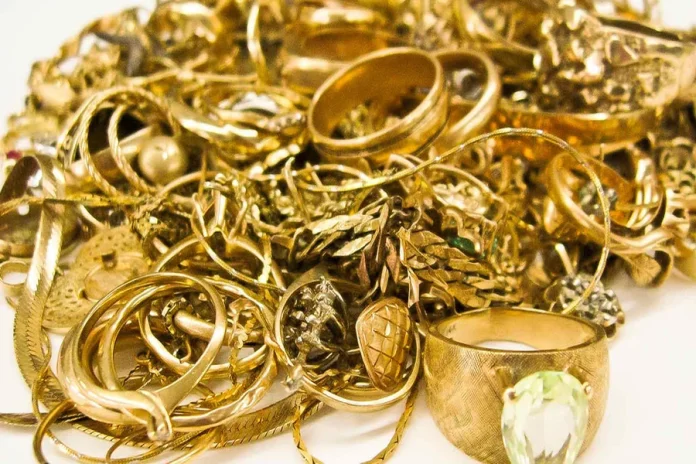
You’ve just inherited jewelry, gold, or coins, and you don’t know what to do with them. Perhaps it’s an antique necklace, a few gold coins, or rings collecting dust for years. They may be worth something if you sell them in the proper manner.
Unfortunately, the majority of people rush through the process and are paid much less than they are entitled to. Below is a quick guide to selling your inherited treasures without being shortchanged with them and how to choose the right jewelry buyers, gold buyers, or gold coin buyers.
1. Know What You Have
Before selling anything, take a moment to understand what’s in your hands. That “old” ring could be 18k gold. Those coins might be collector’s items or rare bullions. Many people unknowingly sell high-value items at scrap prices because they didn’t take the time to research.
Tips:
- Look for stamps on gold jewelry (like 14k, 18k, or 750).
- Check coin dates and origin; some are worth more than their gold weight.
- Have your items professionally appraised before accepting any offer.
2. Don’t Visit Pawn Shops and Middlemen
Pawn shops and typical cash-for-gold stores will offer the lowest payouts. They pay a tiny fraction of the item’s true value because they’re selling to actual gold consumers or refiners.
Instead, go directly to professional jewelry buyers, gold coin collectors, or precious metal and estate item dealers. These are people who will be in a better position to appreciate your item’s inherent value and pay you accordingly.
3. Get Multiple Offers
Don’t take the first offer that crosses your desk. It pays to shop around, especially in a market like New York City or other big cities.
Respected gold and jewelry purchasers will evaluate your merchandise at no charge and offer you a no-obligation price. If you are unsure, obtain a couple of alternative quotes to determine who is offering you the best price.
4. Work With Specialists
Inherited pieces can be problematic. Some hold historical or emotional worth, while others are improperly appraised by the general consumer. That’s why it’s crucial to deal with expert individuals who work with estate jewelry, vintage items, and coins on a regular basis.
Gold coin collectors, for example, understand not only the melt value of their coins but also the numismatic (collectible) value. Selling to one who sees only gold weight can cost you hundreds, even thousands, of dollars.
5. Verify Reputation and Clarity
Sell to highly-rated, reputable buyers only. A good business will:
- Weigh and test products in front of you
- Explain to you exactly how they arrive at a product’s value
- Never pressure you to sell
- Provide clear documentation
Read online reviews, check their website, and look for testimonials. The most excellent assurance that you’re dealing with honest gold buyers and jewelry buyers is a good reputation.
6. Why Manhattan Buyers
If you’re in New York City and exploring options for selling estate jewelry, gold, or coins, Manhattan Buyers is one reputable name to consider. With years of experience handling inherited items, the team offers transparent appraisals and guidance throughout the process. Aiming to help sellers make informed decisions about whether you’re ready to part with a single ring or a full estate collection.
Final Thoughts
Inherited gold, coins, and jewelry don’t need to sit idle or be sold short of their value. Under professional care, with the proper assistance, you can exchange those treasures for actual value without stress or remorse.
Don’t rush. Don’t guess. And don’t settle for less.
When you’re prepared, choose seasoned, open, and trusted gold buyers, jewelry buyers, and gold coin buyers who will treat your treasures with the dignity and compensation they deserve.
